
Are Kalmyks Mongolian?

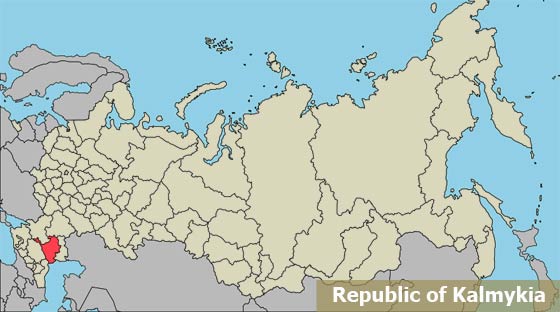
Are Kalmyks Mongolian?
Yes, the Kalmyk people are ethnically Mongolian, specifically from the Oirat branch of western Mongols. They share strong cultural, linguistic, and religious ties with other Mongolian groups. The Kalmyks are originally Oirat Mongols who lived in Dzungaria (a region in present-day northwest China and eastern Kazakhstan), and they trace their roots back to western Mongolia.
Even today, Oirats remain one of the 21 officially recognized ethnic groups in modern Mongolia, particularly in the western provinces. The Kalmyk language is a variety of Oirat Mongolian, and like most Mongols, Kalmyks traditionally follow Tibetan Buddhism. Due to their religious identity, Kalmykia is often referred to as the only Buddhist region in Europe.
However, in the present day, many Kalmyks have lost fluency in their native language and traditions due to extensive Russification and assimilation during the Soviet and post-Soviet periods.
Historical Background of Kalmykia:
In the 16th–17th centuries, Oirat Mongols migrated westward and settled in what is now Kalmykia, within the Russian Empire.
Under Ayuka Khan (1670–1724), the Kalmyk Khanate allied with Tsar Peter the Great, serving as a key military partner by protecting Russia’s southern frontier from the Ottoman Empire and Caucasian tribes.
After the 1917 February Revolution, Kalmykia was designated as the Kalmyk Autonomous Region in 1920.
In 1935, it was reorganized as the Kalmyk Autonomous Soviet Socialist Republic.
However, during World War II, the Kalmyks were collectively accused of collaborating with Nazi Germany (largely without evidence) and were deported to Siberia by Stalin’s regime. The autonomous republic was abolished and only reinstated in 1957, first as the Kalmyk Autonomous Region, and then again as an Autonomous Republic in 1959.
Modern Kalmykia:
Kalmykia’s economy is largely based on animal husbandry, with Kalmyks raising horses, sheep, goats, camels, cattle, and some pigs. Fishing and irrigated agriculture (including winter wheat, corn, and fodder crops) are also important.


