
Top 10 Major Festivals in Mongolia


Must-see festivals in Mongolia
Every tourist planning a trip to Mongolia has likely heard of the world-famous Naadam Festival. While Naadam is the crown jewel of Mongolian festivities, the country offers many other vibrant and culturally rich festivals worth experiencing. Here, we highlight 10 must-see festivals in Mongolia, aside from Naadam. (Please note: these are not ranked in any particular order.)
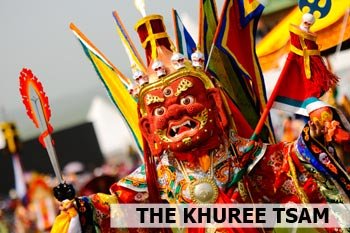
1. Danshig Naadam & Khuree Tsam Dance
Danshig Naadam is a major religious and cultural festival rooted in Mongolia’s Buddhist heritage. The word Danshig means “blessing for peace” in Tibetan. Revived in recent years, the festival is held annually in Ulaanbaatar, typically in August, and co-organized by the Gandantegchinlen Monastery.
The highlight is the Khuree Tsam, a sacred Cham dance performed by monks in elaborate masks symbolizing deities and spiritual protectors. This powerful ritual aims to purify evil spirits and bring blessings to the community.
Alongside the spiritual ceremonies, the festival includes wrestling, archery, and horse racing, as well as Buddhist art displays, handicraft stalls, and traditional food offerings. Danshig Naadam offers a unique blend of Mongolia’s spiritual depth and nomadic tradition, making it a must-see for culturally curious travelers.
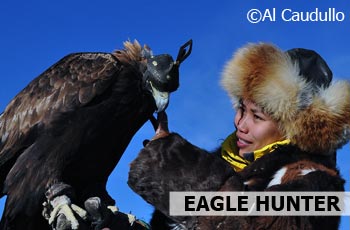
2. Eagle Festival
Every first week of October, the Eagle Festival is held in Bayan-Ölgii province, set against the rugged beauty of the Altai Mountains. This unique event celebrates the ancient Kazakh tradition of eagle hunting, where nomadic hunters demonstrate their bond with golden eagles—trained to hunt foxes and hares in the wild.
Over 100 eagle hunters, including both youth and elders, compete in events such as eagle calling, prey capture, and landing accuracy. Dressed in ornate, embroidered Kazakh attire, the participants proudly represent their heritage and skill.
The festival also features horse racing, archery, and performances of Kazakh music and traditional dance. With local food, crafts, and cultural displays, the Eagle Festival offers a rare, immersive look into one of the world’s last surviving falconry traditions.
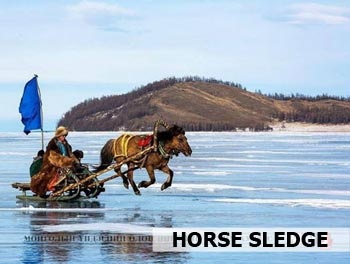
Ice Festival
Held every March on the frozen surface of Lake Khövsgöl, the Blue Pearl Ice Festival is one of Mongolia’s most unique winter events. What started in 2000 as a small local initiative to promote environmental awareness has grown into a major national festival, attracting over 50,000 visitors in 2024—including tourists from 17 countries.
The festival features thrilling horse-drawn sleigh races, ice sumo wrestling, archery, bone-throwing, and stunning ice sculpture contests. International performers like Ecuador’s Qirwa Anka have also joined, adding a global flair.
Thanks to expanding tourism infrastructure in the region—94 camps, 132 guesthouses, and more—Lake Khövsgöl is now a must-visit winter destination. The Blue Pearl Ice Festival blends culture, adventure, and natural beauty in a truly unforgettable way.
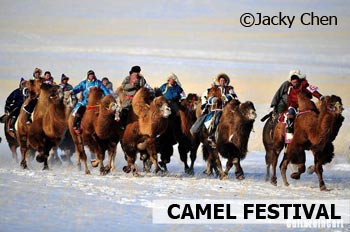
4. Camel Festival (Ten Thousand Camel Festival)
Held annually in February in Dalanzadgad, Umnugobi Province, the Camel Festival celebrates and preserves Mongolia’s iconic two-humped Bactrian camel. Launched in 1997, the festival promotes camel conservation, traditional herding culture, and winter tourism.
Highlights include camel races, camel polo, beauty contests, cultural performances, and exhibitions of camel-based products. In 2016, the festival set a Guinness World Record with 1,108 camels in a single race.
Mongolia is home to nearly 480,000 Bactrian camels—about half of the world’s population—many in the Gobi region. The festival plays a key role in increasing their numbers and raising global awareness, especially during the UN’s International Year of Camelids (2024).
5. Yak Festival
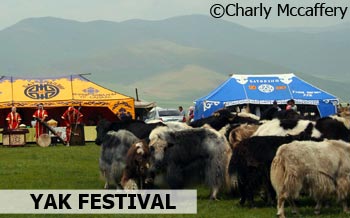
Held every July in Mongolia’s Khangai Mountains, the Yak Festival celebrates the important role of yaks in the livelihoods of highland herding communities. It promotes the use of yak wool, milk, and dairy products as sustainable sources of income and highlights traditional herding culture.
More than 100 yaks participate in events such as racing, milking, and beauty contests, with awards for strength, productivity, and decorative appearance. Locals showcase woolen clothing and crafts, while herders share knowledge on breeding, product processing, and market development.
Accompanied by folk music, games, and cultural performances, the festival offers a rich and authentic experience that blends celebration with practical support for rural development and cultural preservation.
6. Thousand Horses of the Steppe Festival
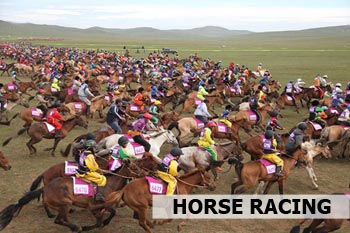
Held in Khentii province, the Thousand Horses of the Steppe Festival is a spectacular tribute to Mongolia’s legendary horse culture. This region, believed to be the birthplace of Chinggis Khaan, is known for its vast herds and skilled horsemen. The festival brings together over 2,000 horses, along with breeders, riders, and trainers from across the region.
The event features traditional horse games, trick riding, endurance races, and demonstrations of herding and training techniques that reflect the time-honored practices of Mongolia’s nomadic lifestyle. It also includes competitions to recognize the best horses and top trainers, promoting equestrian excellence and preserving local breeding traditions.
Visitors can experience folk music, costumed parades, and horse-related crafts, making the festival both a cultural celebration and a showcase of Mongolia’s enduring bond with the horse—a symbol of freedom, strength, and identity on the steppe.
7. Ulaanbaatar Winter Festival
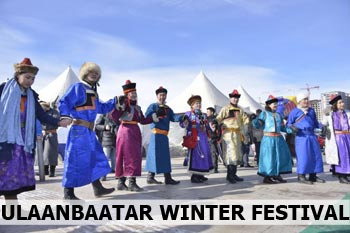
Held annually in Ulaanbaatar, this vibrant festival transforms the capital into a celebration of snow, ice, and winter culture. Visitors can enjoy a mix of sports and cultural activities, including ice archery, dog sledding, snowboarding, ice climbing, and ATV races, all set beneath Mongolia’s signature blue winter skies.
The festival brings together locals, expats, and travelers, offering family-friendly and inclusive experiences. Beyond the adrenaline-filled events, guests can enjoy folk performances, traditional games, and local cuisine, all showcasing the warmth of Mongolian hospitality.
Colorful ice sculptures and snow art installations decorate city parks, adding to the festive atmosphere. The event also raises awareness about Mongolia’s winter tourism potential and supports local artisans and performers.
As a key event for winter tourism, the Ulaanbaatar Winter Festival invites everyone to embrace the cold season through fun, adventure, and cultural immersion.
8. Festival of National Costume – Deeltei Mongol
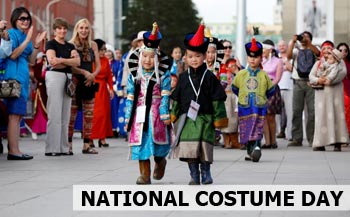
Held annually on July 10th in Sukhbaatar Square, the Deeltei Mongol Festival is a vibrant cultural showcase that takes place just before the national Naadam Festival. The event celebrates the deel, Mongolia’s traditional garment, which reflects centuries of history, regional diversity, and craftsmanship.
Thousands of participants—from children to elders—parade through the square wearing elaborately embroidered deels, fur-trimmed hats, ornate boots, and jewelry that represent various ethnic groups and provinces. The festival also features folk concerts, traditional dance, fashion shows, yurt (ger) building demonstrations, and handicraft exhibitions, offering a full immersion into Mongolian heritage.
It’s a joyful, family-friendly celebration that fosters national pride and educates both locals and visitors about the rich symbolism and functionality of the deel. With its mix of ceremony, color, and community spirit, Deeltei Mongol sets the tone for the patriotic festivities of Naadam that follow.
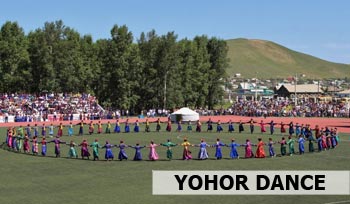
9. Yokhor Festival
Held every two years in July in Batshireet soum, Khentii province, the Yokhor Folk Arts Festival is a vibrant celebration of the traditional Yokhor circle dance—a treasured expression of Buryat culture. Danced in a circle with rhythmic steps and chanting, Yokhor symbolizes unity, joy, and harmony with nature.
First organized in 2016, the festival attracts Buryat performers from Mongolia and the Russian Federation, with over 240 dancers from 15 ensembles participating in both traditional and modern categories. Alongside the dance performances, the event features folk music, costume parades, craft exhibitions, and cultural storytelling, providing a deep dive into Buryat identity and heritage.
Set in the scenic taiga of eastern Mongolia, the Yokhor Festival is more than a cultural performance—it is a platform for cross-border cultural exchange and the preservation of indigenous traditions.
🗓️ In 2025, the festival will take place from July 29 to 31.
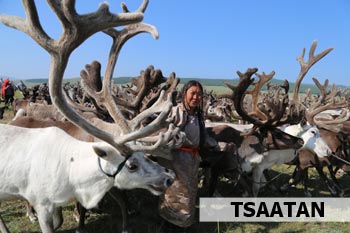
10. Tsaatan Festival
Held annually in July in Tsagaan-Nuur soum, Khövsgöl province, the Tsaatan Festival celebrates and preserves the unique culture of Mongolia’s Tsaatan (Dukha) reindeer herders. Living deep in the taiga forests near the Siberian border, the Tsaatan are one of the last nomadic reindeer-herding communities in the world.
The festival features reindeer races, reindeer riding competitions, archery, and shamanic rituals, offering visitors a rare opportunity to experience the Tsaatan’s spiritual practices and close connection with nature. Travelers can also visit traditional ortz (tepee-like tents), sample reindeer milk products, and learn about reindeer husbandry, which is central to Tsaatan life.
Now held for over 20 consecutive years, the Tsaatan Festival plays a vital role in promoting community-based tourism, raising awareness about indigenous traditions, and generating income for Tsaatan families. It is not only a rich cultural immersion but also a meaningful contribution to the survival of a fragile and ancient way of life.


