
Lucky and Unlucky Numbers in Mongolian Culture

The Power of Numbers: Lucky and Unlucky Beliefs in Mongolia
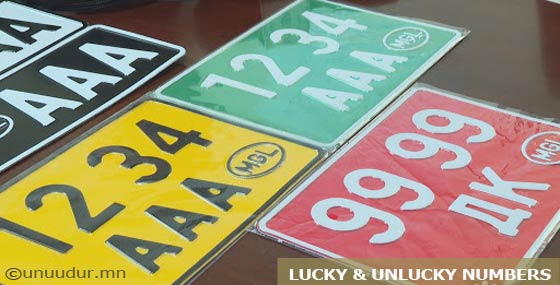
Numbers have long held deep cultural and spiritual significance in Mongolia. Lucky numbers play an important role in everyday life, influencing choices such as phone numbers, license plates, and even ceremonial dates. Many Mongolians are willing to pay a premium to select auspicious numbers for these purposes. Similarly, traditional events—such as weddings, hair-cutting ceremonies, and other major occasions—are scheduled based on favorable dates in the lunar calendar. Conversely, on an unlucky day, people avoid holding important ceremonies or making major life decisions.
In Mongolian culture, 3 and 9 are considered lucky numbers, while 7 and 13 are often viewed as bad omens.
Lucky number 3:
In Mongolian folklore, the number three represents balance and completeness and is often associated with spiritual and worldly harmony. The belief is that the essence of something is fully formed within three years.
- Mongolian children traditionally learn to ride horses at the age of three.
- The number three is also linked to the “spiritual trinity” in Mongolian teachings.
- Many activities are repeated three times for good fortune, such as singing three times, drinking three times, or playing three times.
Lucky number 9:
The number nine is highly auspicious in Mongolian culture, symbolizing longevity, happiness, and prosperity. It is often referred to as the “golden number of trade”, representing abundance and success.
The significance of nine can be seen throughout Mongolian history and folklore:
- “The Nine Scholars of a Man” – a traditional belief about wisdom.
- “Nine Precious Stones” – symbolic treasures in Mongolian culture.
- “Nine Generals of Chinggis Khaan” – key figures in Mongolian history.
- “Nine White Banners” – a sacred symbol of Mongolian statehood.
- “Nine Gifts of White” – a customary offering representing purity and goodwill.
For Mongolians, the number nine embodies wisdom, prosperity, and mental strength.
Unlucky number 7:
In contrast, the number seven is considered unlucky because it is associated with the underworld and decline. The phrase “seven is worse” is commonly used to refer to misfortune or hardship. Due to this negative connotation, many Mongolians avoid using the number seven when making important life choices.
Conclusion
Numbers play a profound role in Mongolian beliefs, influencing traditions, daily decisions, and even major life events. Whether choosing an auspicious date, picking a lucky phone number, or avoiding bad omens, Mongolians continue to honor the spiritual and historical significance of numbers in their lives.


