
Understanding Mongolian Names

The Significance and Evolution of Mongolian Names
There is an age-old Mongolian saying: “A peacock treasures its feathers, just as a person values and honors their name.”
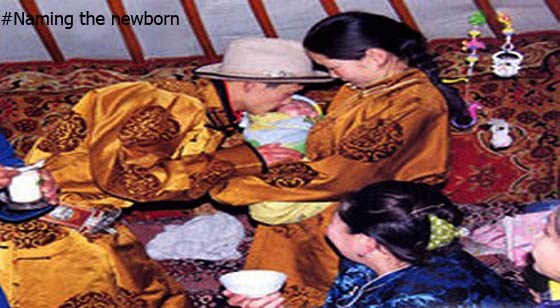
In Mongolia, it is customary to name a newborn within three days of birth, as names are believed to bring good fortune. There are various traditional methods for choosing a baby’s name. Some parents seek guidance from Buddhist lamas at monasteries, while others write their preferred names on slips of paper, mix them in a bowl of rice, and shake the bowl until one name emerges.
Interestingly, some Mongolian names are intentionally chosen to ward off bad spirits. If a family has previously lost a child, parents may give their newborn names like Nergui (“nameless”) or Terbish (“not this one”) to deceive misfortune and protect the child’s life.
The Evolution of Mongolian Names Throughout History
Mongolian names have changed over centuries, reflecting shifts in culture, religion, and political influences.
- Ancient Times: Names were often derived from ancestral tribes, clans, or places of origin.
- 13th to 16th Century: During the Mongol Empire and beyond, names symbolized strength and resilience, such as Tomor (Iron), Bat (Firm), Bekh (Tenacious), Bold (Steel), and Munkh (Eternal).
- Buddhist Influence: After Buddhism spread in Mongolia, Tibetan names became widespread. Popular names included Ayush (Perpetual), Bavuu (Hero), Myadag (Flower), and Suren (Amulet).
- Soviet Era (1921–1990): With the rise of communism and strong Mongolian-Soviet relations, many parents named their children after political leaders and Soviet figures, such as Sukhbaatar, Choibalsan, Stalin, Gagarin, Sasha, Gurragchaa, Janibekov, and Tsedenbal.
- Some children were named after significant events, such as Shinebayar (New Happiness) or Shinejil (New Year) for babies born on New Year’s Eve, or Marta for those born on International Women’s Day.
- Post-Democratic Revolution (1990-Present): With the revival of Mongolia’s ancient history and traditions, names of historical kings, queens, and aristocrats became popular again. Parents now choose names like Temuujin (Genghis Khan’s birth name), Burte, Yesukhei, Esui, Esugen, Anu, Anujin, Mandukhai, Temuulen, Khasar, and Belgudei.
Modern Mongolian Names
Today, most parents choose pure Mongolian names, often combining two meaningful words to form a name. These names reflect:
Nature: Solongo (Rainbow), Oyu (Turquoise), Nomin (Azure).
Strength and Stability (for boys): Bat-Erdene (Strong Jewel), Temuulen (Aspiration), Bilguun (Wisdom).
Beauty and Grace (for girls): Khulan (a species of wild horse), Anujin, and Mandukhai (after the famous queen).
The most common Mongolian names today include:
- Bat-Erdene (15,498 people)
- Temuulen (14,434 people)
- Misheel (13,886 people)
- Khulan (13,726 people)
- Nomin-Erdene (13,713 people)
Mongolian names carry deep meanings and reflect the country’s rich history, traditions, and cultural evolution. Whether inspired by nature, history, or religion, each name tells a unique story.


